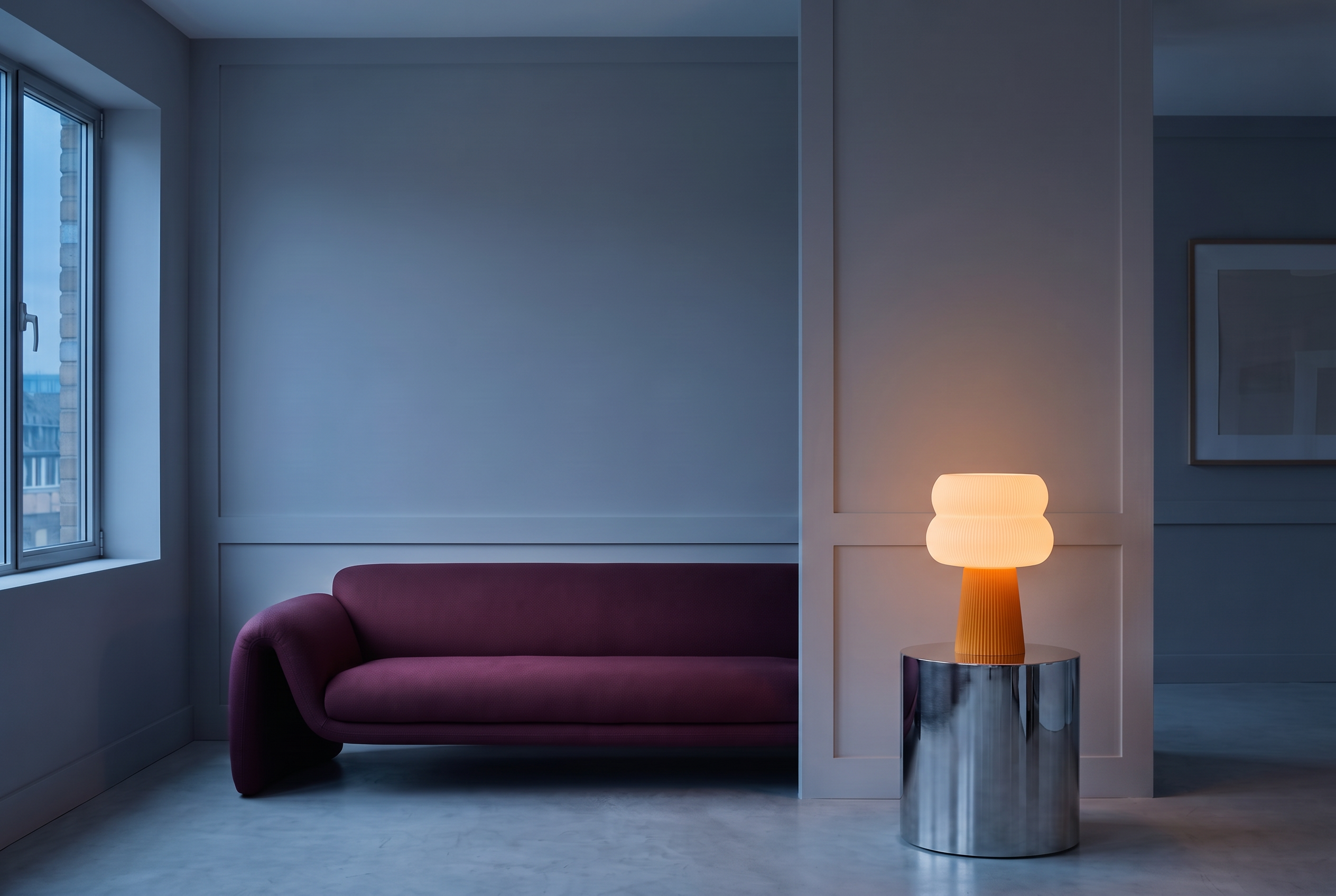
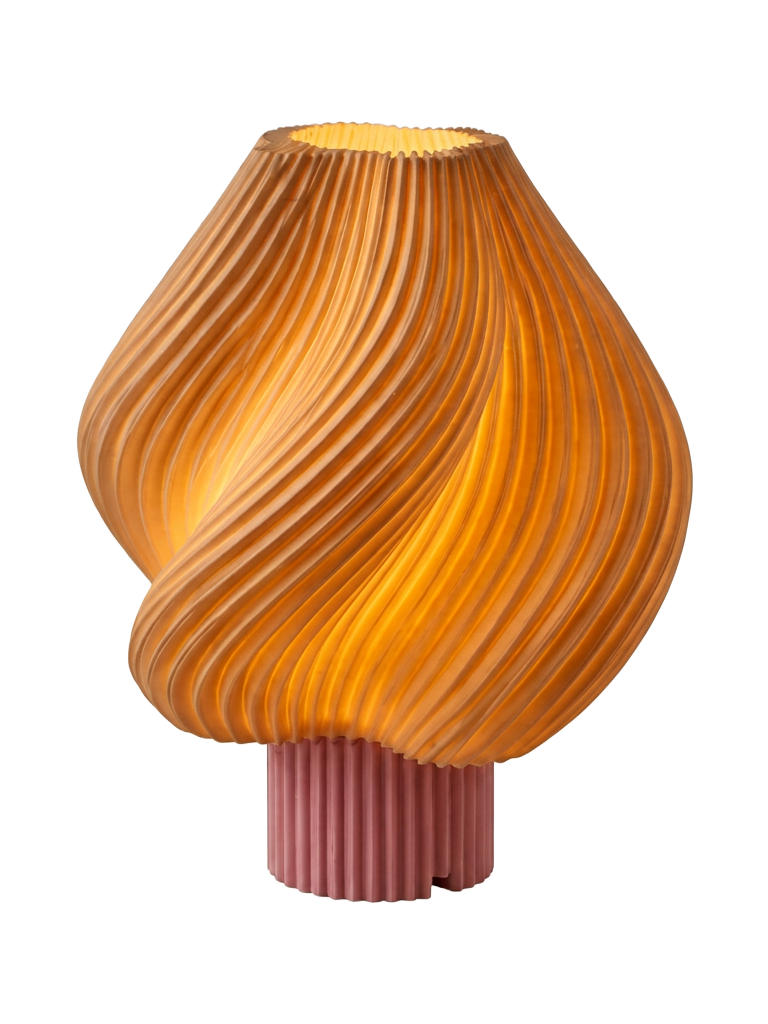
Imagine the silhouette
We approach the lamp as a sculptural object first: proportion, rhythm and the relationship between shade and base.
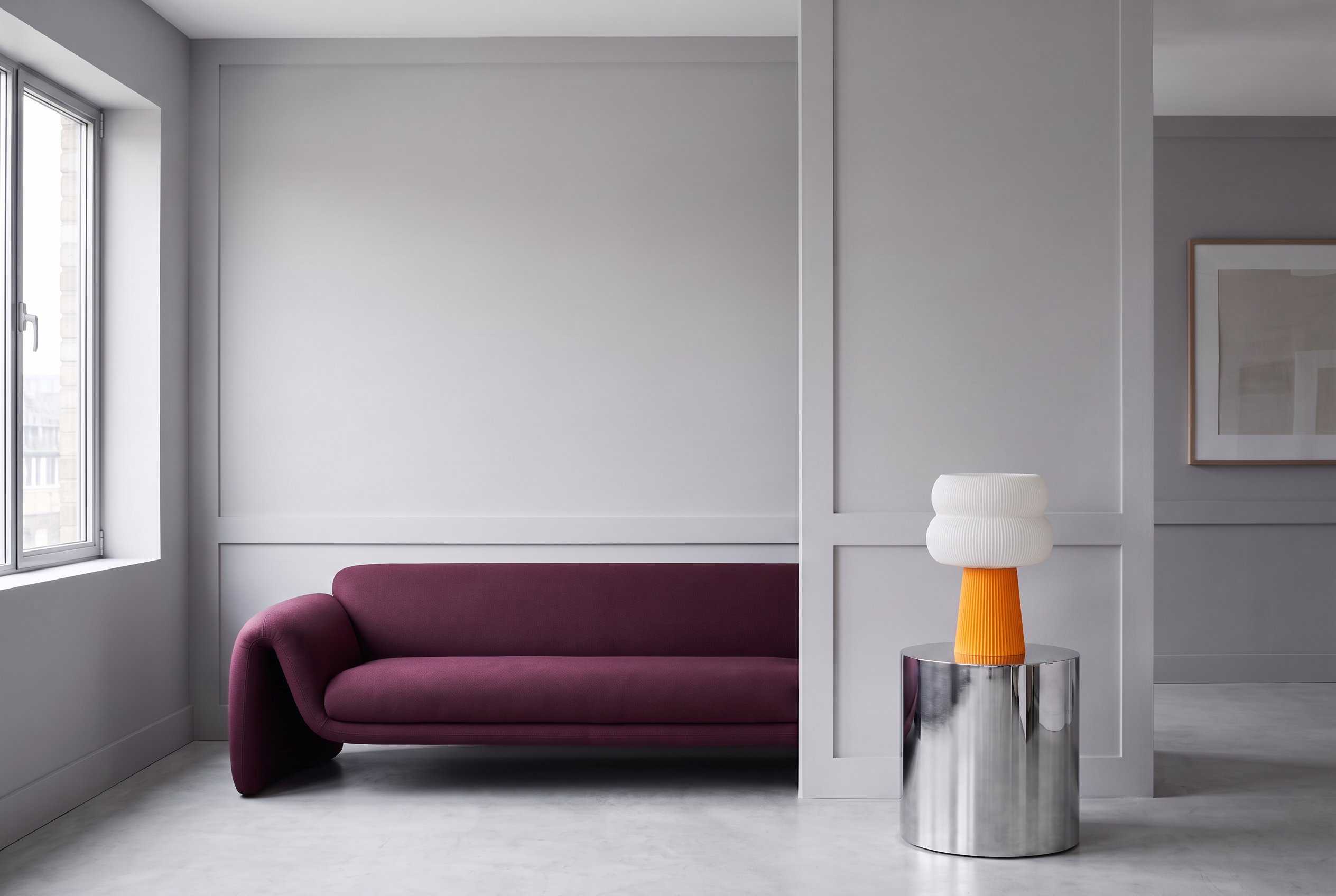
Designer table lamps. Sculptural by instinct.
Personal by nature.
A room can be beautifully furnished and still be waiting for its soul.
For ZOHRAÉ, that is where light begins. Not as a finishing touch, but as the detail that brings everything into conversation: the curve of a chair, the texture of a wall, the book left open at the end of the day.
Our inspiration lives between architecture and nature. A fold becomes a shade. A spiral becomes a silhouette. The rhythm of a column becomes a quiet presence on a console. We explore these gestures through sculptural table lamps that feel expressive without overwhelming the room.
Our ambition is to change the conversation around luxury home decor. Less spectacle. More feeling. Objects worth looking at in daylight, and living with long after the sun has gone.
Luxury is not how much a room holds.
It is how thoughtfully it makes you feel.
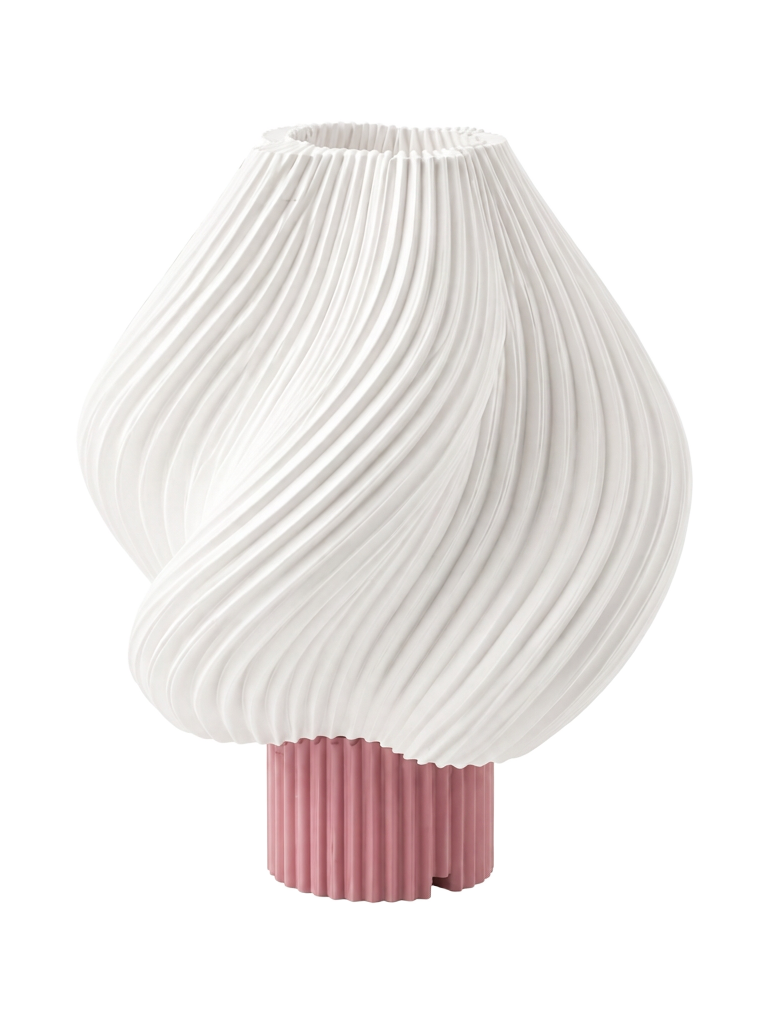
Our lamp forms are 3D printed in PLA, or polylactic acid. Printing builds the shape in fine successive layers, allowing flowing contours and intricate surface rhythms to become tangible objects.
Rather than hiding the process, we embrace its texture. Those fine lines are part of the design language: a trace of how an idea becomes form.
Technology shapes the printed parts; people bring the lamp together. The parts are assembled by hand, pairing digital precision with the care of human making.
PLA is a bioplastic commonly made from renewable plant-derived feedstocks, such as corn starch or sugarcane. That renewable origin is one reason it interests us as a design material.
Bio-based does not mean impact-free. PLA generally needs controlled industrial composting conditions to break down efficiently; it is not a promise of home compostability. A complete lamp also includes non-PLA parts and electrical components. Disposal depends on local facilities, so it should not be placed in a home compost bin or ordinary recycling without local guidance.
Material reading / EPA guidance on bioplasticsContours drawn digitally.
Surfaces built slowly.
Parts brought together by hand.
We approach the lamp as a sculptural object first: proportion, rhythm and the relationship between shade and base.
PLA takes shape layer by layer. The printed surface gives each contour a tactile rhythm and a distinctive visual character.
The separate parts come together through hand assembly, turning a printed form into a lamp for everyday spaces.
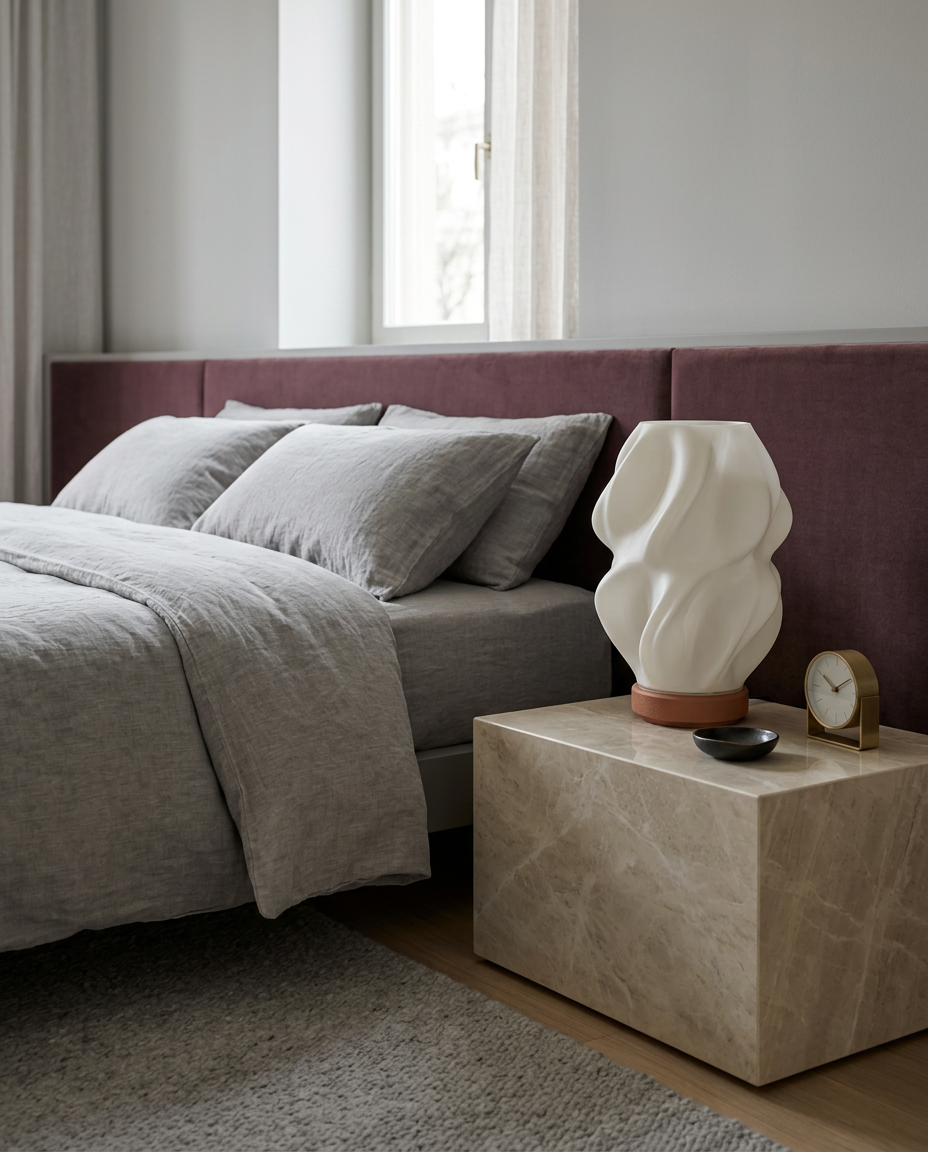 01 / Atmosphere
The furniture stays the same. The feeling does not.
Overhead lighting can make a room feel practical and open. A table lamp introduces a more intimate pool of light, drawing attention to a favourite chair, a bedside or a conversation corner. This is atmosphere through lighting—not a medical claim about mood or wellbeing.
Combine general light with smaller sources at different heights. Table lamps for a living room can give a sofa area its own centre of warmth while the rest of the room remains softly in the background. Keep suitable task lighting for reading and other detailed activities.
For bedroom lighting, consider a bedside lamp that feels in proportion to the table and leaves space for the objects you use. A warm-coloured light source can create a welcoming visual atmosphere; check the lamp’s approved bulb specification before choosing one.
Place light near a textured wall, woven upholstery or a sculptural object. The contrast between light and shadow can give familiar surfaces a new depth. Aim for a comfortable glow, not a bright source directly in your eyes.
Meet Sera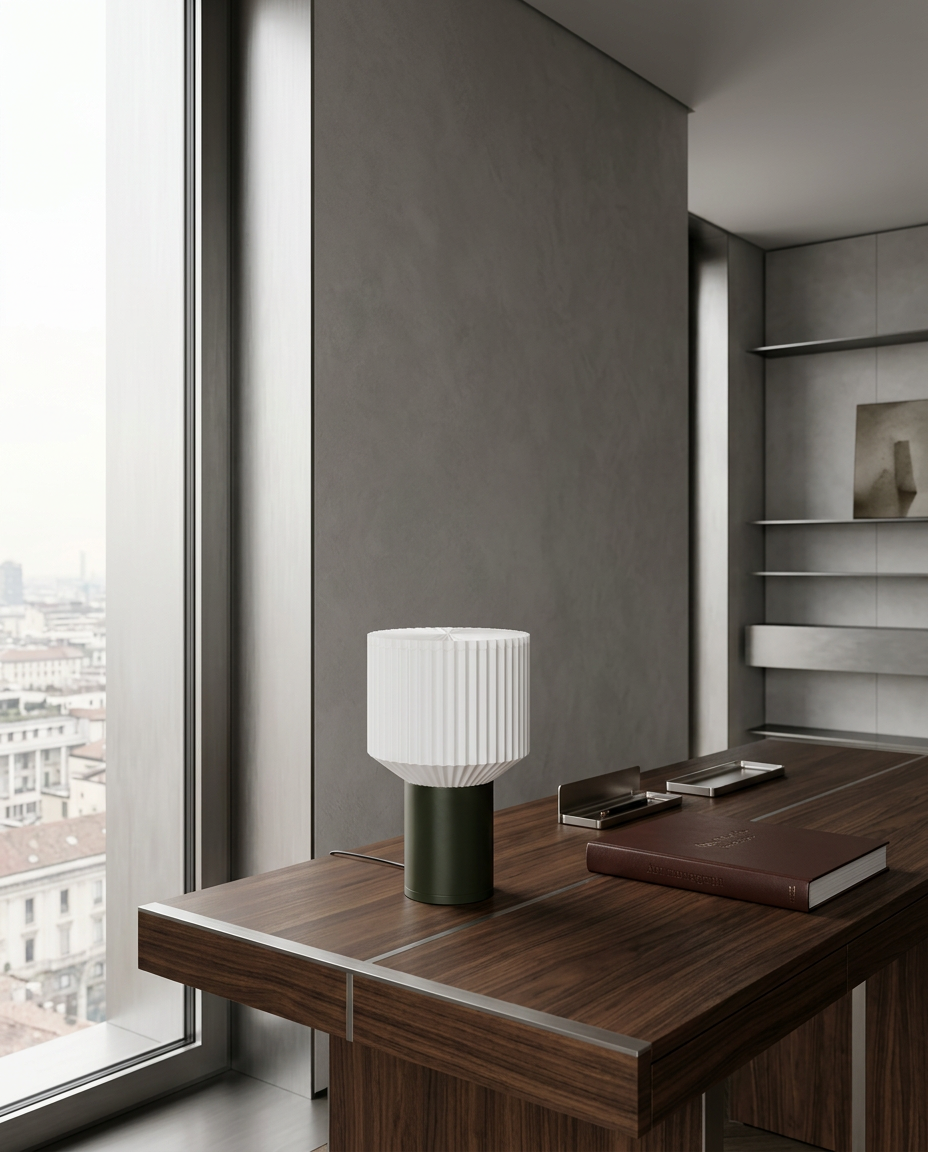 02 / Considered luxury
One considered piece can say more than a room full of decoration.
A designer table lamp brings two things to an interior: a sculptural presence when unlit, and an atmosphere when illuminated. That dual role makes it a meaningful part of modern home decor rather than simply another accessory.
A console, side table or bedside each calls for a different scale. Leave breathing room around the lamp so its silhouette reads clearly. A sculptural lamp feels intentional when it belongs to the furniture beneath it, rather than competing with everything nearby.
Pair a flowing shade with the straight lines of a cabinet, or an architectural base with soft upholstery. Repeat one colour from the room, then let the form introduce something unexpected. Luxury interiors often feel cohesive because their details relate—not because everything matches.
Give the lamp a little negative space. A book, a vessel or a small artwork may be enough beside it. The aim is not to make the house look more expensive; it is to make the room feel more personal, balanced and beautifully resolved.
Discover PorticoFurther reading: Architectural Digest on layering light
Explore our designer lamps, or talk to the studio about a custom design or colour for your home.
Interior scenes are styled visualisations; the printing film is an AI-generated illustration.